
You are using an out of date browser. It may not display this or other websites correctly.
You should upgrade or use an alternative browser.
You should upgrade or use an alternative browser.
Things That Nobody Needs
- Thread starter scotchandcigar
- Start date


Channel98
Don't yell or hit.
I feel sick just thinking about it.
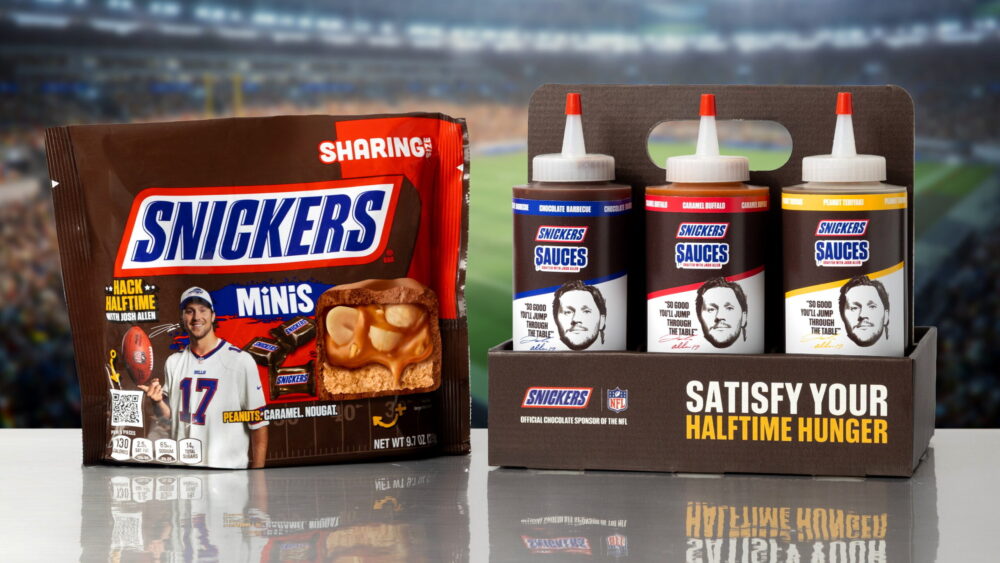
 wrnjradio.com
Snickers partners with Josh Allen to launch limited-edition game day sauces - WRNJ Radio
SNICKERS®, the Official Chocolate Sponsor of the NFL, has teamed up with reigning MVP star quarterback Josh Allen to launch a lineup of limited-edition dipping sauces designed for football fans. …
wrnjradio.com

scotchandcigar
All I wanted was some steak
"Limited edition".I feel sick just thinking about it.
Snickers partners with Josh Allen to launch limited-edition game day sauces - WRNJ Radio
SNICKERS®, the Official Chocolate Sponsor of the NFL, has teamed up with reigning MVP star quarterback Josh Allen to launch a lineup of limited-edition dipping sauces designed for football fans. …


scotchandcigar
All I wanted was some steak
That write-up is so full of bullshit, I don't know where to start. First of all, how is Snickers the "Official chocolate sponsor of the NFL"? Wouldn't it make sense to actually have a chocolate maker be the sponsor? And if I went to a super bowl party, and for half-time they had a bowl of Snickers bars, I'd leave.I feel sick just thinking about it.
Snickers partners with Josh Allen to launch limited-edition game day sauces - WRNJ Radio
SNICKERS®, the Official Chocolate Sponsor of the NFL, has teamed up with reigning MVP star quarterback Josh Allen to launch a lineup of limited-edition dipping sauces designed for football fans. …
What does one do with caramel buffalo sauce? Or chocolate barbecue? Dip chicken wings in them? Yuck.
scotchandcigar
All I wanted was some steak
This morning, I was reminded of one of the top 3 dumbest things in the history of American marketing. Just as a refresher, the first 2 are:
- The price of everything ends in 99 cents, or 99 dollars. Or 99 dollars and 99 cents.
- The exception is that gasoline prices always end in 9/10ths of a cent.
And now, I present the third one:
- Shampoo bottles - and only shampoo bottles - have text that's printed in both English and French.
Why?
- The price of everything ends in 99 cents, or 99 dollars. Or 99 dollars and 99 cents.
- The exception is that gasoline prices always end in 9/10ths of a cent.
And now, I present the third one:
- Shampoo bottles - and only shampoo bottles - have text that's printed in both English and French.
Why?
Channel98
Don't yell or hit.
Canada's laws require products sold in Canada to have labels in both French and English. I imagine shampoo manufacturers find it easier (and cheaper) to use the same bilingual packaging for both Canada and the United States.
What I hate about shampoo instructions is "Lather. Rinse. Repeat." It is not necessary to "repeat." They just want us to use up the shampoo twice as fast so we'll have to buy it more often.
What I hate about shampoo instructions is "Lather. Rinse. Repeat." It is not necessary to "repeat." They just want us to use up the shampoo twice as fast so we'll have to buy it more often.
scotchandcigar
All I wanted was some steak
My shampoo - made in Minneapolis - does not have instructions. And if all Canadian products have French and English, then why is it only shampoo that's like that in the US? Why not maple syrup, or ham, or fish, or cereal, or ... you get the idea.What I hate about shampoo instructions is "Lather. Rinse. Repeat." It is not necessary to "repeat." They just want us to use up the shampoo twice as fast so we'll have to buy it more often.

IdRatherBeSkiing
Sherbert is NOT and NEVER WILL BE ice cream.
Maybe for those it does not make sense to have combined packaging. I do not know what is special about shampoo.My shampoo - made in Minneapolis - does not have instructions. And if all Canadian products have French and English, then why is it only shampoo that's like that in the US? Why not maple syrup, or ham, or fish, or cereal, or ... you get the idea.
scotchandcigar
All I wanted was some steak
The word is French. So like idiots, they think that we expect the writing to be in French.I do not know what is special about shampoo.

Aaron
Moderator
From ChatGPT
“Shampoo bottles (and a lot of other toiletries in U.S. stores) usually have both English and French on the label because of Canadian labeling laws.
Here’s why:
• Canada requires bilingual labeling (English and French) on most consumer goods, since both languages are official.
• Many shampoo, soap, and cosmetic brands sell the exact same packaging in both the U.S. and Canada to save money, rather than printing separate bottles for each market.
• So even if you buy the bottle in the U.S., it’ll often have French instructions because it’s the same design that’s compliant in Canada.
Here’s why shampoo and similar products stand out:
1. Personal care & cosmetics are highly regulated in Canada.
• Health Canada requires bilingual labeling on cosmetics, toiletries, and over-the-counter personal care products.
• That includes ingredients, warnings, and usage instructions.
2. These are almost always made for “North America” as one market.
• A bottle of shampoo or toothpaste is small, cheap to ship, and has a long shelf life.
• It’s easier and cheaper for Procter & Gamble, Unilever, L’Oréal, etc. to print one bilingual bottle that works in both the U.S. and Canada.
3. Other products often use different packaging for Canada.
• Food, for example, also requires bilingual labels in Canada — but food packaging changes all the time (different nutrition facts panels, sizes, promotions, etc.), so it’s often cheaper to run separate U.S. and Canadian versions.
• Cleaning supplies sometimes go the same way because chemical regulations differ between countries.
So in short: shampoo bottles look “extra bilingual” because personal care packaging is stable, regulated in both countries, and easy to unify for all of North America.”
“Shampoo bottles (and a lot of other toiletries in U.S. stores) usually have both English and French on the label because of Canadian labeling laws.
Here’s why:
• Canada requires bilingual labeling (English and French) on most consumer goods, since both languages are official.
• Many shampoo, soap, and cosmetic brands sell the exact same packaging in both the U.S. and Canada to save money, rather than printing separate bottles for each market.
• So even if you buy the bottle in the U.S., it’ll often have French instructions because it’s the same design that’s compliant in Canada.
Here’s why shampoo and similar products stand out:
1. Personal care & cosmetics are highly regulated in Canada.
• Health Canada requires bilingual labeling on cosmetics, toiletries, and over-the-counter personal care products.
• That includes ingredients, warnings, and usage instructions.
2. These are almost always made for “North America” as one market.
• A bottle of shampoo or toothpaste is small, cheap to ship, and has a long shelf life.
• It’s easier and cheaper for Procter & Gamble, Unilever, L’Oréal, etc. to print one bilingual bottle that works in both the U.S. and Canada.
3. Other products often use different packaging for Canada.
• Food, for example, also requires bilingual labels in Canada — but food packaging changes all the time (different nutrition facts panels, sizes, promotions, etc.), so it’s often cheaper to run separate U.S. and Canadian versions.
• Cleaning supplies sometimes go the same way because chemical regulations differ between countries.
So in short: shampoo bottles look “extra bilingual” because personal care packaging is stable, regulated in both countries, and easy to unify for all of North America.”
Channel98
Don't yell or hit.
"easy to unify for all of North America"
Mexico, too, is part of the North American continent. Why aren't shampoo bottle labels printed in Spanish in addition to French and English? No tengo más preguntas, Su Señoría.
IdRatherBeSkiing
Sherbert is NOT and NEVER WILL BE ice cream.
Do they have bilingualism laws?Mexico, too, is part of the North American continent. Why aren't shampoo bottle labels printed in Spanish in addition to French and English? No tengo más preguntas, Su Señoría.

scotchandcigar
All I wanted was some steak
This makes some sense, but even toothpaste doesn't follow this. Toothpaste is in English and Spanish, like almost every other product sold in the US. I find it too coincidental that it's only shampoo.From ChatGPT
“Shampoo bottles (and a lot of other toiletries in U.S. stores) usually have both English and French on the label because of Canadian labeling laws.
Here’s why:
• Canada requires bilingual labeling (English and French) on most consumer goods, since both languages are official.
• Many shampoo, soap, and cosmetic brands sell the exact same packaging in both the U.S. and Canada to save money, rather than printing separate bottles for each market.
• So even if you buy the bottle in the U.S., it’ll often have French instructions because it’s the same design that’s compliant in Canada.
Here’s why shampoo and similar products stand out:
1. Personal care & cosmetics are highly regulated in Canada.
• Health Canada requires bilingual labeling on cosmetics, toiletries, and over-the-counter personal care products.
• That includes ingredients, warnings, and usage instructions.
2. These are almost always made for “North America” as one market.
• A bottle of shampoo or toothpaste is small, cheap to ship, and has a long shelf life.
• It’s easier and cheaper for Procter & Gamble, Unilever, L’Oréal, etc. to print one bilingual bottle that works in both the U.S. and Canada.
3. Other products often use different packaging for Canada.
• Food, for example, also requires bilingual labels in Canada — but food packaging changes all the time (different nutrition facts panels, sizes, promotions, etc.), so it’s often cheaper to run separate U.S. and Canadian versions.
• Cleaning supplies sometimes go the same way because chemical regulations differ between countries.
So in short: shampoo bottles look “extra bilingual” because personal care packaging is stable, regulated in both countries, and easy to unify for all of North America.”
IdRatherBeSkiing
Sherbert is NOT and NEVER WILL BE ice cream.
I'm just glad other people have to suffer through this bilingualism crap as well.
