
You are using an out of date browser. It may not display this or other websites correctly.
You should upgrade or use an alternative browser.
You should upgrade or use an alternative browser.
Gay News
- Thread starter Wolf
- Start date


scotchandcigar
All I wanted was some steak
I think it says more about the mindset at Breitbart than about the subjects.
scotchandcigar
All I wanted was some steak

Ed Smart, father of kidnapping survivor Elizabeth Smart, says he is gay
Ed Smart, whose daughter Elizabeth Smart was abducted in 2002, has announced that he is gay but says he is not leaving the Church of Jesus Christ of Latter-day Saints.

Channel98
Don't yell or hit.
"Rights? Rights? I am the Emperor! I decide who shall have rights!"

 www.nydailynews.com
It should be legal to fire an employee for being LGBTQ, Trump administration tells Supreme Court
The Trump administration has just dealt yet another blow against LGBTQ equality. In an amicus brief filed Friday, the Department of Justice urged the U.S. Supreme Court to legalize the firing of an employee simply for being LGBTQ. The…
www.nydailynews.com
Channel98
Don't yell or hit.
We hear a lot about "higher education." I call this an example of lower education:
Kentucky principal who tried to ban LGBT books arrested for possessing and distributing child pornography

 www.newsweek.com
Kentucky principal who tried to ban LGBT books arrested for possessing and distributing child pornography
Kentucky Principal Who Tried to Ban LGBT Books Arrested For Child Porn
In 2009, Phillip Todd Wilson tried to ban books with "homosexual content" from the Montgomery County High School.
www.newsweek.com
scotchandcigar
All I wanted was some steak
But it was straight child porn, so it's ok.We hear a lot about "higher education." I call this an example of lower education:
Kentucky principal who tried to ban LGBT books arrested for possessing and distributing child pornography
Kentucky Principal Who Tried to Ban LGBT Books Arrested For Child Porn
In 2009, Phillip Todd Wilson tried to ban books with "homosexual content" from the Montgomery County High School.

Channel98
Don't yell or hit.
The mayor is now turning his attention to Northstar, Batwoman, Karma, Maggie Sawyer, Renee Montoya and Kevin Keller.
Rio's mayor tried to ban Avengers comic book featuring kiss between two male superheroes. Now it's sold out.
Rio's mayor tried to ban Avengers comic book featuring kiss between two male superheroes. Now it's sold out.
Rio's mayor tried to ban book featuring kiss between two male superheroes. Now it's sold out
An Avengers comic book featuring a kiss between two male superheroes has sold out at a Rio de Janeiro book fair after the city's conservative mayor attempted to block it from sale, according to Agence France-Presse.
www-m.cnn.com
Channel98
Don't yell or hit.
On July 24 – Go look! – I posted this story:

 www-m.cnn.com
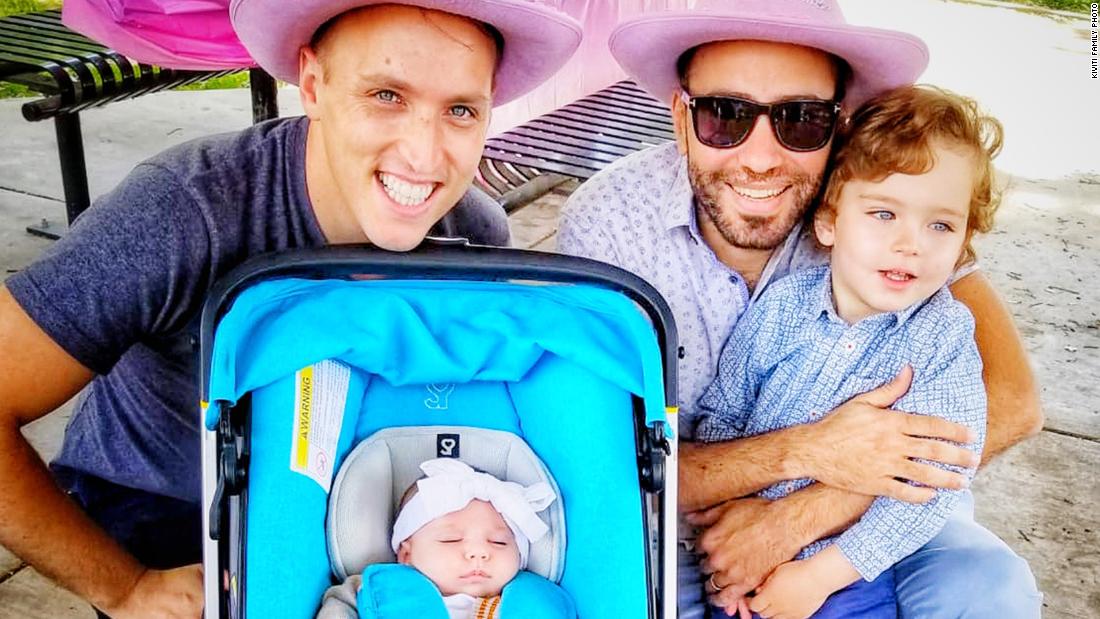
Here we go again. An American-born girl can't be an American citizen because she was "born out of wedlock." When did "wedlock" become a condition for citizenship?
 www.cnn.com
Same-sex couple sues State Department for denying daughter's citizenship | CNN
A same-sex married couple in Georgia sued the US State Department on Wednesday for refusing to recognize their daughter as a citizen.
Here we go again. An American-born girl can't be an American citizen because she was "born out of wedlock." When did "wedlock" become a condition for citizenship?
Same-sex couple sues State Department over denial of daughter's citizenship
A same-sex American couple whose daughter was denied birthright citizenship filed suit against the State Department on Thursday, joining a growing list of LGBTQ families turning to litigation to combat the policy.
www.cnn.com
scotchandcigar
All I wanted was some steak
It's not, when the parents are biological. But there's surrogacy and donor parents thrown in here, so it's more complicated. Which allows them to legally be jerks about this.Here we go again. An American-born girl can't be an American citizen because she was "born out of wedlock." When did "wedlock" become a condition for citizenship?
Channel98
Don't yell or hit.
Our own guv'mint says "To become a citizen at birth, you must: have been born in the United States or certain territories or outlying possessions of the United States, and subject to the jurisdiction of the United States; OR had a parent or parents who were citizens at the time of your birth (if you were born abroad) and meet other requirements." That sounds pretty clear. Nothing about surrogates or sperm donors.

Fortunately for me, California became a state just a few years before I was born.
Citizenship Resource Center
The Citizenship Resource Center has a collection of helpful resources and free study materials for a variety of users including:Immigrants who are interested in becoming U.S. ci
www.uscis.gov
Fortunately for me, California became a state just a few years before I was born.
scotchandcigar
All I wanted was some steak
Yes, but again, none of this applies when the birth parents are not identifiable within that definition.Our own guv'mint says "To become a citizen at birth, you must: have been born in the United States or certain territories or outlying possessions of the United States, and subject to the jurisdiction of the United States; OR had a parent or parents who were citizens at the time of your birth (if you were born abroad) and meet other requirements." That sounds pretty clear. Nothing about surrogates or sperm donors.
Citizenship Resource Center
The Citizenship Resource Center has a collection of helpful resources and free study materials for a variety of users including:Immigrants who are interested in becoming U.S. ciwww.uscis.gov
Fortunately for me, California became a state just a few years before I was born.
Channel98
Don't yell or hit.
So if a woman who is a US citizen gives birth and her child is given to two other people to raise, the child is no longer considered to be a citizen? That makes no sense. By that standard, no children put up for adoption would be citizens. Do we have an official DRC legal expert?
scotchandcigar
All I wanted was some steak
No. You can't seem to acknowledge that embryonic conception and surrogacy are different than all these standard scenarios.So if a woman who is a US citizen gives birth and her child is given to two other people to raise, the child is no longer considered to be a citizen?
Channel98
Don't yell or hit.
I acknowledge that they're different – but I don't see why "embryonic conception and surrogacy" should have any bearing on whether a child is a United States citizen. The law says anyone born in the United States is a citizen. If there are exceptions, I haven't found them. See the third page at
scotchandcigar
All I wanted was some steak
Because some people will take every loophole and technicality they can find to disqualify a person, so that they can appease their homophobic base.I acknowledge that they're different – but I don't see why "embryonic conception and surrogacy" should have any bearing on whether a child is a United States citizen. The law says anyone born in the United States is a citizen. If there are exceptions, I haven't found them. See the third page at
Channel98
Don't yell or hit.
At this town hall, the candidates will not be debating each other. Julián Castro will have to save his harsh criticism of Biden for another time.

 thehill.com
CNN announces details for LGBTQ town hall
CNN on Wednesday announced the details of a town hall for Democratic presidential candidates focused on LGBTQ issues.